
Refrigeration is a fundamental process that plays a crucial role in preserving food, maintaining freshness, and ensuring the longevity of various perishable items. At its core, refrigeration works by removing heat from a designated area, thereby lowering the temperature within that space. This process is achieved through the principles of thermodynamics, specifically the refrigeration cycle, which involves the evaporation and condensation of refrigerants. The cycle begins when a refrigerant absorbs heat from the interior of the refrigerator, evaporating into a gas. This gas is then compressed, raising its temperature and pressure before it is passed through condenser coils, where it releases heat and condenses back into a liquid state. The cycle then repeats, continuously maintaining a cool environment.
Understanding the components involved in refrigeration is essential for troubleshooting common issues that may arise with appliances like refrigerators and freezers. Key components include the compressor, evaporator coils, condenser coils, and expansion valve. Each part plays a specific role in ensuring that the refrigeration cycle operates smoothly. For instance, the compressor is responsible for circulating the refrigerant throughout the system, while the evaporator coils are where the refrigerant absorbs heat from inside the fridge. A malfunction in any of these components can lead to inefficiencies or complete failure of the refrigeration system, resulting in problems such as a warm fridge and cold freezer.
Common Causes of a Warm Fridge and Cold Freezer
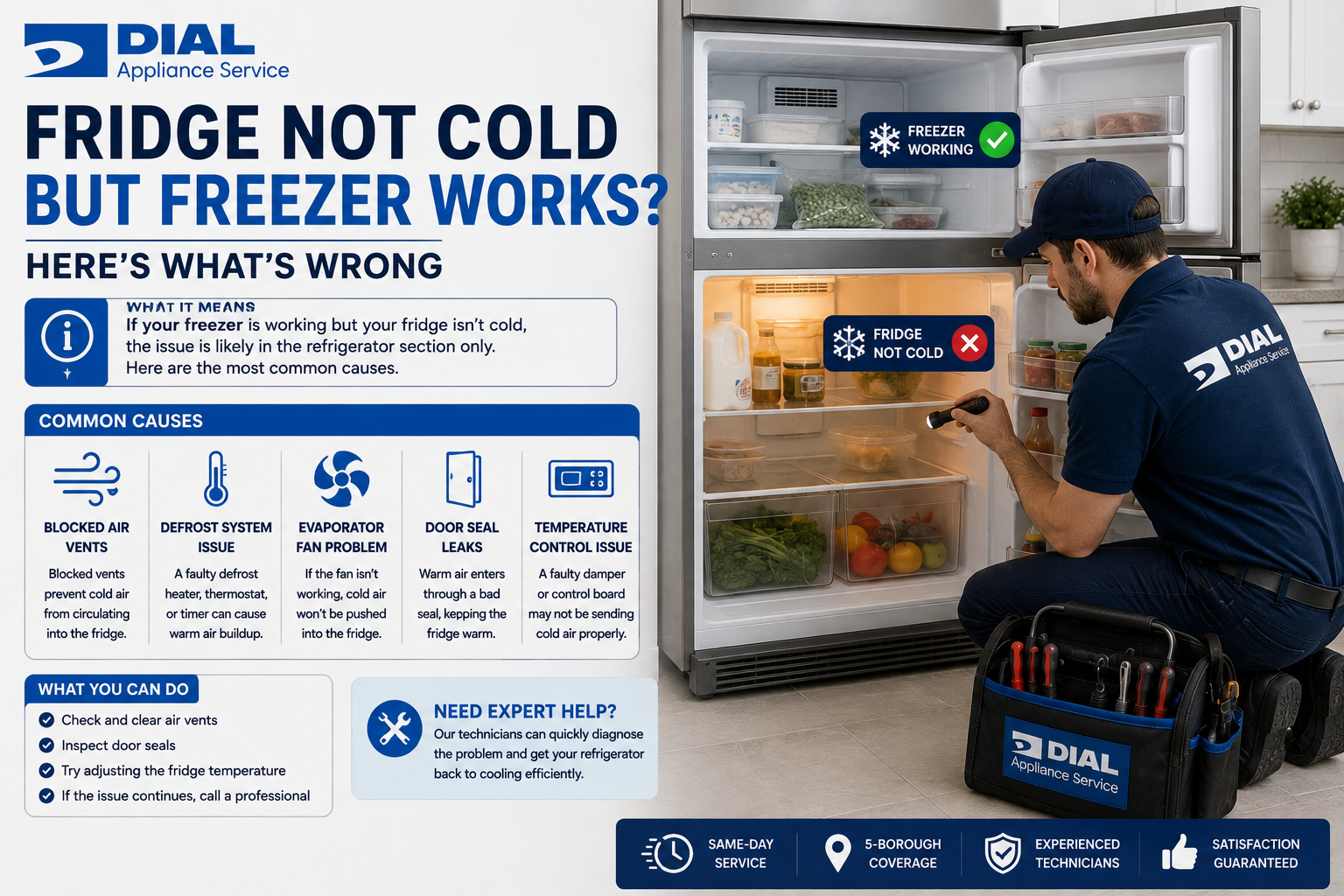
When faced with the frustrating scenario of a warm fridge coupled with a cold freezer, it is essential to identify the underlying causes to effectively address the issue. One common reason for this phenomenon is a malfunctioning thermostat. The thermostat regulates the temperature within the refrigerator by signaling the compressor to turn on or off as needed. If it becomes faulty or miscalibrated, it may fail to activate the compressor when necessary, leading to inadequate cooling in the fridge compartment while allowing the freezer to maintain its lower temperature.
Another potential cause could be an issue with airflow within the appliance. Refrigerators rely on proper air circulation to distribute cold air evenly between the fridge and freezer sections. If there are blockages or obstructions preventing airflow, it can result in uneven cooling. For example, if food items are placed too close to vents or if there is frost buildup in the freezer, it can restrict airflow and cause the fridge to warm up while the freezer remains cold. Identifying and addressing these airflow issues is crucial for restoring optimal performance.
Checking for Airflow Blockages
Airflow blockages are often overlooked but can significantly impact a refrigerator’s efficiency. To check for these blockages, start by inspecting the vents located inside both the fridge and freezer compartments. These vents are designed to allow cold air to circulate freely between the two sections. If they are obstructed by food items or ice buildup, it can hinder airflow and lead to temperature discrepancies. Ensure that there is adequate space around these vents and that they are not covered by any items.
In addition to checking internal vents, it’s also important to examine external factors that may affect airflow. For instance, if your refrigerator is placed too close to walls or other appliances, it may not have enough space for proper ventilation. Ideally, there should be at least a few inches of clearance around the appliance to allow for adequate airflow. If you find that your refrigerator is too tightly packed into a corner or against other surfaces, consider relocating it to a more open area to improve ventilation.
Evaluating the Thermostat
The thermostat is a critical component in regulating your refrigerator’s temperature, and evaluating its functionality is essential when troubleshooting cooling issues. Begin by checking the thermostat settings to ensure they are set correctly. Sometimes, accidental adjustments can lead to unintended temperature changes. If the settings appear correct but the fridge remains warm, it may indicate that the thermostat is malfunctioning.
To further evaluate the thermostat’s performance, you can use a thermometer to measure the actual temperature inside both compartments. If you find that the temperature readings do not align with the thermostat settings, it may be time to replace or recalibrate the thermostat. In some cases, thermostats can become stuck or fail to respond properly due to wear and tear over time. If you suspect this is the case, consulting your refrigerator’s manual for specific troubleshooting steps or replacement instructions can be beneficial.
Assessing the Evaporator Fan
The evaporator fan plays a vital role in circulating cold air throughout the refrigerator and freezer compartments. If this fan malfunctions or becomes obstructed, it can lead to uneven cooling and result in a warm fridge while keeping the freezer cold. To assess the evaporator fan’s functionality, first listen for any unusual noises when the refrigerator is running. A loud or grinding sound may indicate that the fan motor is failing.
If you suspect an issue with the evaporator fan, you can access it by removing any shelves or panels that may be blocking it. Once exposed, check for any visible obstructions such as ice buildup or debris that may be hindering its operation. If you find ice accumulation around the fan, it could indicate a defrost issue that needs addressing. In cases where the fan appears damaged or non-functional, replacing it may be necessary to restore proper airflow and cooling efficiency.
Examining the Condenser Coils
Condenser coils are another critical component of your refrigerator’s cooling system that requires regular maintenance and inspection. These coils are responsible for dissipating heat from the refrigerant as it exits the compressor and enters the condenser phase of the refrigeration cycle. Over time, dust and debris can accumulate on these coils, reducing their efficiency and causing overheating issues.
To examine your refrigerator’s condenser coils, locate them—typically found at the back or beneath the appliance—and inspect them for dirt buildup. If you notice significant dust accumulation, use a vacuum cleaner with a brush attachment or a coil cleaning brush to gently remove debris from the coils. Regular cleaning of condenser coils can improve energy efficiency and prolong your refrigerator’s lifespan by preventing overheating and excessive strain on the compressor.
Troubleshooting the Defrost System
The defrost system is essential for preventing frost buildup in both the freezer and refrigerator compartments. If this system malfunctions, it can lead to excessive frost accumulation that obstructs airflow and causes temperature imbalances between sections. To troubleshoot potential issues with your defrost system, start by checking for visible frost buildup on evaporator coils or around vents.
If you notice significant frost accumulation, it may indicate a problem with one of several components within the defrost system: the defrost timer, defrost heater, or defrost thermostat. Testing these components typically requires specialized tools such as a multimeter to check for continuity and functionality. If any of these parts are found to be defective, replacing them will help restore proper defrosting cycles and prevent future frost-related issues.
Testing the Start Relay and Overload Protector
The start relay and overload protector are crucial components that work together to ensure your refrigerator’s compressor operates efficiently. The start relay provides an initial boost of power to start up the compressor when needed, while the overload protector safeguards against overheating by shutting off power if temperatures exceed safe levels. If either of these components fails, it can lead to cooling issues such as a warm fridge.
To test these components, first unplug your refrigerator for safety reasons. Then locate the start relay—usually found near the compressor—and remove it for inspection. Using a multimeter, check for continuity in both the start relay and overload protector. If either component shows no continuity or appears damaged upon visual inspection, replacing them may resolve your cooling problems.
Inspecting the Door Seal
The door seal plays an often-overlooked yet vital role in maintaining your refrigerator’s internal temperature by preventing warm air from entering and cold air from escaping. Over time, door seals can become worn out or damaged due to regular use or exposure to extreme temperatures. A compromised seal can lead to inefficient cooling and contribute to issues such as a warm fridge.
To inspect your door seal effectively, perform a simple visual check for any visible cracks or tears along its length. Additionally, you can conduct a “dollar bill test” by closing a dollar bill in the door; if you can easily pull it out without resistance, this indicates that your seal may not be functioning properly. In such cases, replacing the door seal will help restore airtightness and improve overall cooling efficiency.
Considering the Possibility of a Refrigerant Leak
Refrigerant leaks are serious issues that can significantly impact your refrigerator’s performance and efficiency. If you suspect a refrigerant leak due to unusual noises from your compressor or insufficient cooling despite all other components functioning correctly, it’s essential to address this issue promptly. Refrigerants are not only vital for maintaining proper temperatures but also pose environmental hazards if released into the atmosphere.
Identifying refrigerant leaks typically requires professional assistance since specialized tools are needed for detection and repair. Signs of a refrigerant leak may include hissing sounds near refrigerant lines or visible oil stains around connections where refrigerant lines meet other components. If you suspect a leak, it’s best to contact an HVAC technician who can accurately diagnose and repair any issues related to refrigerant levels.
When to Call a Professional
While many troubleshooting steps can be performed independently by homeowners seeking to resolve cooling issues with their refrigerators, there are instances when calling in a professional technician is necessary. If you’ve gone through all troubleshooting steps without success or if you suspect complex issues such as refrigerant leaks or compressor failures, it’s time to seek expert help.
Professional technicians possess specialized knowledge and experience in diagnosing and repairing refrigeration systems effectively. They have access to advanced tools and equipment that allow them to identify problems quickly and accurately while ensuring compliance with safety regulations regarding refrigerants and electrical components. By enlisting professional assistance when needed, you can save time and avoid potential hazards associated with DIY repairs on complex appliances like refrigerators.
In conclusion, understanding how refrigeration works and being aware of common issues can empower homeowners to troubleshoot problems effectively when they arise. By systematically checking components such as airflow blockages, thermostats, evaporator fans, condenser coils, defrost systems, start relays/overload protectors, door seals—and considering potential refrigerant leaks—you can often identify solutions without needing professional intervention. However, knowing when it’s appropriate to call in an expert ensures that more complex issues are handled safely and efficiently while prolonging your appliance’s lifespan overall.
Contact Dial Appliance Service today to schedule your appointment and experience why we’re Brooklyn’s most trusted choice for “Appliance Repair.” Schedule Your Appliance Repair Service Now at (718) 368-1512 or Contact Us Now!