
Wine coolers, also known as wine refrigerators, are specialized appliances designed to store wine at optimal temperatures. Unlike traditional refrigerators, which can fluctuate in temperature due to frequent opening and closing, wine coolers maintain a consistent environment that is crucial for preserving the delicate flavors and aromas of wine. These appliances come in various sizes and styles, catering to both casual wine drinkers and serious collectors. They often feature adjustable shelves, dual-zone temperature controls, and UV-resistant glass doors to protect the wine from harmful light exposure.
The primary function of a wine cooler is to chill wine to the ideal serving temperature, which varies depending on the type of wine. Red wines are typically served at slightly warmer temperatures than white wines, and many wine coolers allow users to set different temperatures for different zones. This versatility makes them an essential addition to any wine enthusiast’s home. Understanding how these appliances work and their specific requirements can help users maintain their wine coolers effectively, ensuring that their collection remains in pristine condition.
Common Reasons Why Your Wine Cooler Isn’t Cooling
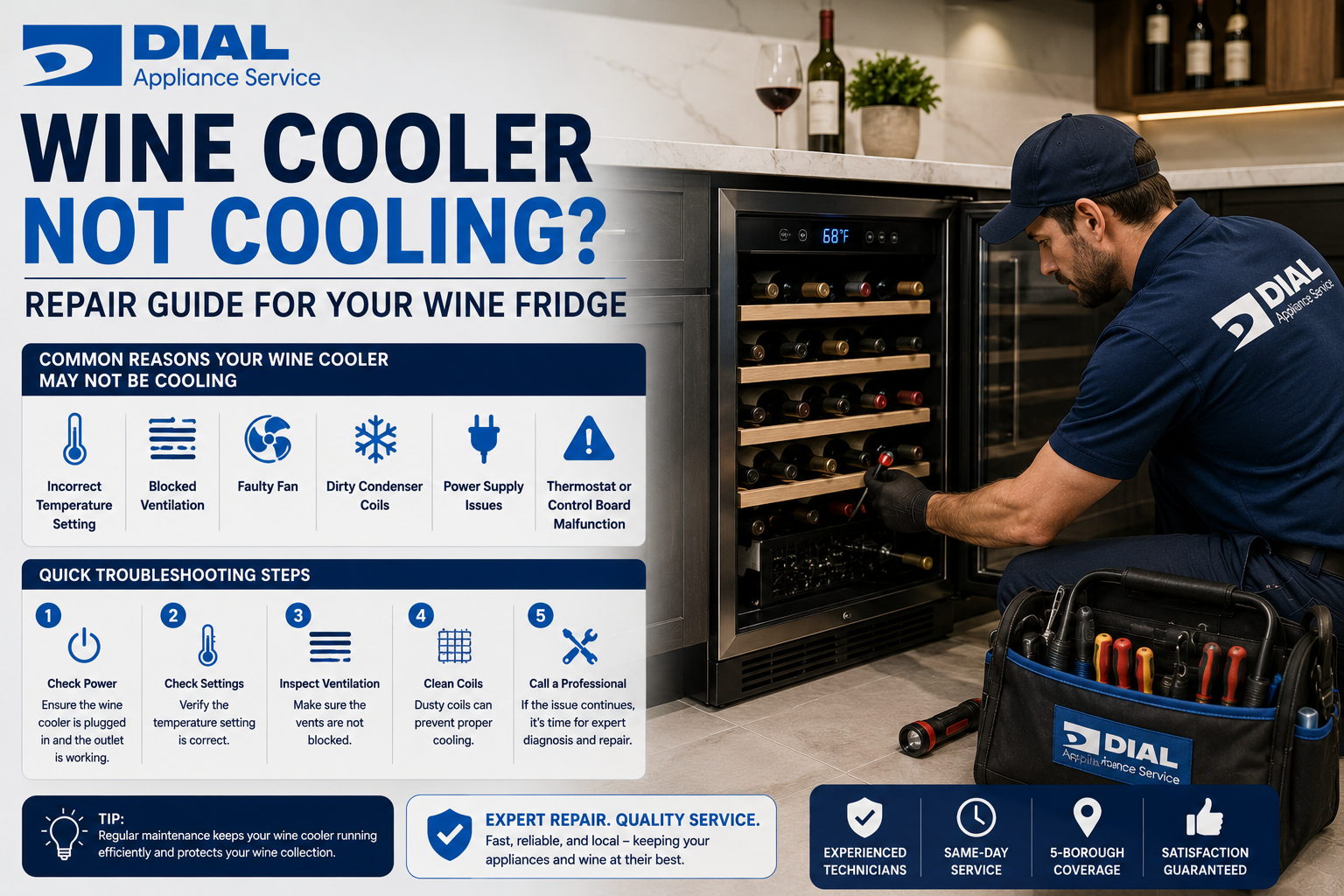
When a wine cooler fails to maintain the desired temperature, it can be a source of frustration for any wine lover. There are several common reasons why this might occur, ranging from simple user errors to more complex mechanical issues. One of the most frequent culprits is a malfunctioning thermostat, which can lead to inaccurate temperature readings and improper cooling. If the thermostat is not functioning correctly, it may not signal the compressor to turn on, resulting in a warmer interior than desired.
Another common issue is poor airflow within the unit. Wine coolers require adequate ventilation to operate efficiently. If the vents are blocked or if the cooler is placed in a confined space without sufficient air circulation, it can struggle to maintain the right temperature. Additionally, problems with the compressor or fans can also lead to cooling failures. Understanding these potential issues can help users diagnose problems early and take appropriate action before their wine collection is compromised.
Troubleshooting Steps for Wine Cooler Not Cooling
If your wine cooler isn’t cooling as it should, there are several troubleshooting steps you can take before calling in a professional. First, check the power supply to ensure that the unit is plugged in and that there are no blown fuses or tripped circuit breakers. Sometimes, a simple power issue can be the root cause of cooling problems. If the power supply is intact, examine the temperature settings on the thermostat to confirm they are set correctly for your desired wine storage conditions.
Next, inspect the door seal for any signs of wear or damage. A faulty door seal can allow warm air to enter the cooler, making it difficult for the unit to maintain a consistent temperature. If you notice any gaps or tears in the seal, it may need to be replaced. Additionally, cleaning the condenser coils is another essential step in troubleshooting cooling issues. Dust and debris can accumulate on these coils over time, hindering their ability to dissipate heat effectively. Regular maintenance can go a long way in ensuring your wine cooler operates efficiently.
Checking the Thermostat and Temperature Settings
The thermostat is a critical component of any wine cooler, as it regulates the internal temperature by controlling the compressor’s operation. If your wine cooler isn’t cooling properly, one of the first things you should check is the thermostat setting. Ensure that it is set to the appropriate temperature for your wine type—typically around 55°F for red wines and 45°F for whites. If the thermostat appears to be set correctly but the cooler is still not functioning as expected, it may be malfunctioning.
In some cases, recalibrating the thermostat may resolve the issue. Refer to your wine cooler’s user manual for instructions on how to recalibrate it properly. If recalibration does not work and you suspect that the thermostat is faulty, it may need to be replaced. A malfunctioning thermostat can lead to inconsistent temperatures that can spoil your wine collection over time, so addressing this issue promptly is crucial.
Inspecting the Door Seal for Leaks
The door seal plays a vital role in maintaining the internal temperature of your wine cooler by preventing warm air from entering and cold air from escaping. Over time, door seals can wear out or become damaged due to regular use or exposure to temperature fluctuations. Inspecting the door seal for leaks is an essential step in troubleshooting cooling issues. To do this, close the door on a piece of paper or a dollar bill; if you can easily pull it out without resistance, it indicates that the seal may not be tight enough.
If you find that the door seal is compromised, it may need to be replaced. Many manufacturers offer replacement seals that are easy to install and can significantly improve your wine cooler’s efficiency. Ensuring that your door seal is in good condition will help maintain a stable environment for your wines and prevent unnecessary strain on the cooling system.
Cleaning the Condenser Coils
Condenser coils are responsible for dissipating heat from your wine cooler’s refrigerant as it cycles through the system. When these coils become dirty or clogged with dust and debris, they cannot function effectively, leading to cooling problems. Regularly cleaning the condenser coils is an essential maintenance task that can help prolong the life of your appliance and ensure optimal performance.
To clean the condenser coils, first unplug your wine cooler and locate the coils—usually found at the back or bottom of the unit. Use a vacuum cleaner with a brush attachment or a soft cloth to gently remove dust and dirt from the coils. Be careful not to damage any components while cleaning. After cleaning, plug the unit back in and monitor its performance over the next few days. If you notice an improvement in cooling efficiency, regular cleaning should be added to your maintenance routine.
Ensuring Proper Air Circulation Around the Wine Cooler
Proper air circulation around your wine cooler is crucial for its efficient operation. If your cooler is placed in a confined space with limited airflow, it may struggle to maintain optimal temperatures. Ensure that there is adequate space around all sides of the unit for air to circulate freely. Ideally, there should be at least a few inches of clearance on all sides of the cooler.
Additionally, avoid placing your wine cooler near heat sources such as ovens or direct sunlight, as this can cause temperature fluctuations that affect its performance. If possible, position your cooler in a cool, dry area away from other appliances that generate heat. By ensuring proper air circulation around your wine cooler, you can help it operate more efficiently and maintain a stable environment for your wines.
Checking for Faulty Fans or Compressor
The fans and compressor are essential components of your wine cooler’s cooling system. The compressor circulates refrigerant through the system while fans help distribute cool air throughout the interior of the unit. If either of these components malfunctions, it can lead to inadequate cooling performance.
To check if the fans are working properly, listen for any unusual noises when the unit is running. If you notice that one or both fans are not operating or making strange sounds, they may need to be repaired or replaced. Similarly, if you suspect that the compressor is faulty—indicated by unusual noises or failure to start—it may require professional attention. Diagnosing issues with these components can be complex; therefore, if you’re unsure about their condition, it’s best to consult with an appliance repair technician.
Replacing the Evaporator Fan Motor
The evaporator fan motor plays a crucial role in circulating cool air throughout your wine cooler’s interior. If this motor fails or becomes damaged, it can lead to uneven temperatures and inadequate cooling performance. Signs that your evaporator fan motor may need replacement include unusual noises coming from inside the unit or a noticeable lack of airflow.
Replacing an evaporator fan motor typically requires some technical knowledge and experience with appliance repair. If you’re comfortable working with electrical components and have access to replacement parts, you may attempt this repair yourself by following manufacturer guidelines found in your user manual. However, if you’re unsure about how to proceed or lack experience with appliance repairs, it’s advisable to seek assistance from a professional technician who can ensure that the replacement is done correctly.
Recharging the Refrigerant
If your wine cooler is still not cooling properly after checking all other components, it may be due to low refrigerant levels caused by leaks in the system. Refrigerant is essential for absorbing heat from inside the cooler and maintaining optimal temperatures for your wines. If you suspect that your unit needs refrigerant recharging, it’s important to address this issue promptly.
Recharging refrigerant requires specialized knowledge and equipment due to safety regulations surrounding refrigerants and their potential environmental impact. Therefore, it’s best left to trained professionals who can accurately assess whether recharging is necessary and perform the task safely and effectively. Attempting to recharge refrigerant without proper training can lead to further damage or even pose safety risks.
Calling a Professional for Wine Cooler Repair
If you’ve gone through all troubleshooting steps and still find that your wine cooler isn’t cooling properly, it may be time to call in a professional repair service. Trained technicians have experience diagnosing and repairing various appliance issues, including those specific to wine coolers. They possess specialized tools and knowledge that allow them to identify problems quickly and accurately.
When selecting a repair service, look for companies with positive reviews and experience working with wine coolers specifically. A reputable technician will provide an assessment of your unit’s condition and offer recommendations for repairs or replacements as needed. By entrusting your appliance repair needs to professionals, you can ensure that your wine collection remains safe and well-preserved while extending the life of your wine cooler.
In conclusion, understanding how wine coolers operate and recognizing common issues can empower users to troubleshoot problems effectively before seeking professional help. Regular maintenance practices such as cleaning condenser coils and inspecting door seals can prevent many cooling issues from arising in the first place. However, when faced with more complex problems involving fans or compressors, enlisting professional assistance ensures that repairs are handled safely and efficiently—ultimately protecting your valuable wine collection for years to come.
Contact Dial Appliance Service today to schedule your appointment and experience why we’re NYC’s most trusted choice for “Appliance Repair.” Schedule Your Appliance Repair Service Now at (718) 368-1512 or Contact Us Now!